Description
Tierradentro – Inza Cauca
Producer
La Orquídea & El Oso Association
Region
Tierradentro, Inzá, Cauca, Colombia
Varieties
Caturra, Castillo, Colombia & Typica
Processing
Washed – sun-dried on raised beds in parabolic drying houses.
Altitude
1,800–2,000 MASL
Origin Profile
The Association
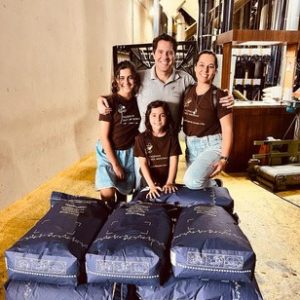
La Orquídea and El Oso brings together 17 small farms nestled in the high mountain forests of the Colombian Andes. Founded by the Vega Fajardo family, the association is built around four guiding principles: a healthy environment, healthy food, healthy lives and fair commerce.
Working within a landscape where farming is both rewarding and challenging, its members share a commitment to traditional agricultural practices, environmental care and the production of distinctive specialty coffees.
The Tierradentro Region
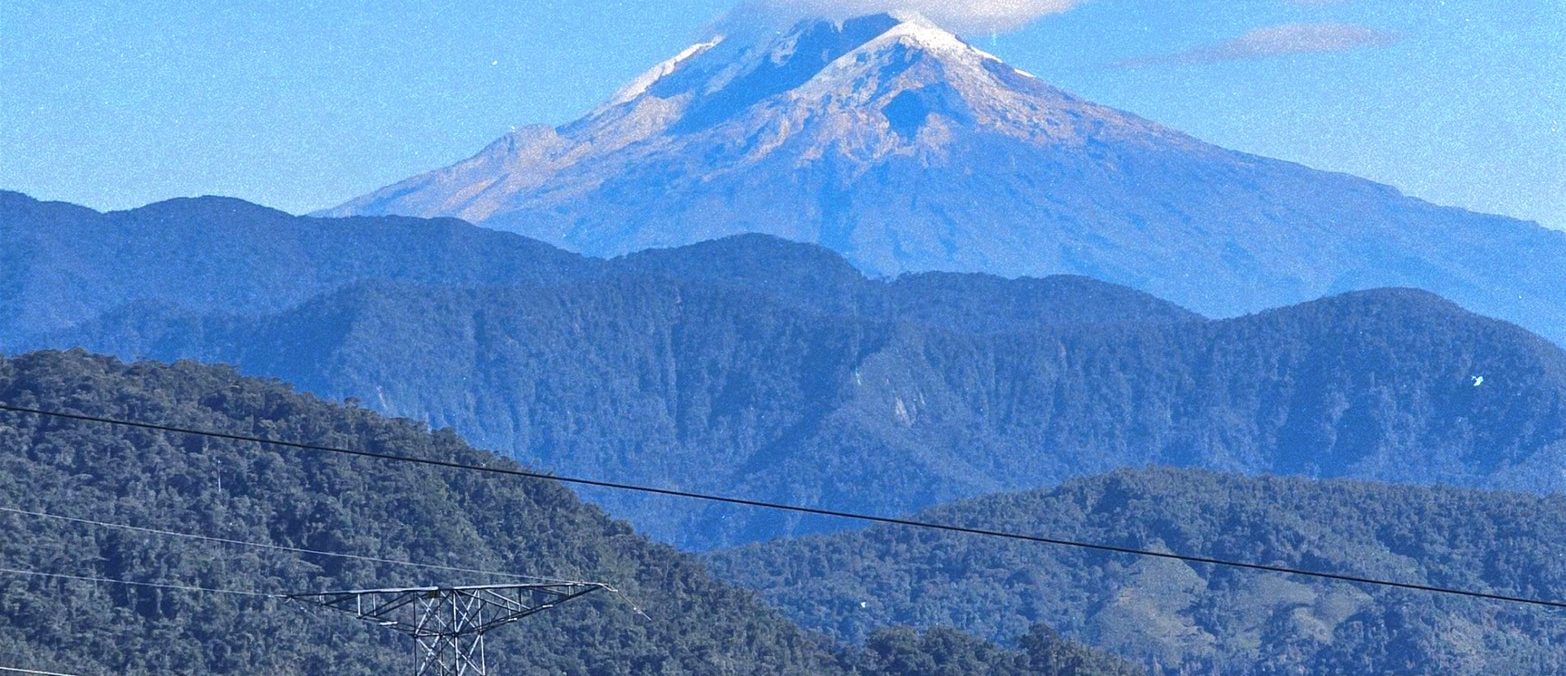
Located in the municipality of Inzá in Cauca, Tierradentro is a striking landscape of dense forest, steep mountain slopes, rocky ridgelines, high plateaus and narrow river valleys. Its rugged terrain and remote growing conditions make coffee cultivation demanding, but also give the region a distinctive agricultural identity.
Tierradentro is equally remarkable for its cultural heritage. Hidden within the surrounding landscape are more than 150 pre-Columbian tombs and ceremonial sites, some dating as far back as the sixth century AD. Recognised as a protected archaeological park, the region is also home to the Nasa Páez Indigenous people.
This combination of natural landscape, history and longstanding local traditions makes Tierradentro one of Colombia’s most distinctive coffee-growing areas.
Farming & Sustainability
Members of La Orquídea and El Oso favour traditional farming methods that encourage a balance between coffee production and the surrounding environment. Of the association’s 17 farms, three are certified organic and 15 are dedicated to specialty coffee cultivation.
The association rejects the use of pesticides and chemical fertilisers, with an emphasis on moving away from monoculture farming and preserving local growing conditions and ancestral agricultural practices.
Coffee is grown alongside a variety of food crops, including tomatoes, capsicum, citrus and pumpkins. Members also practise regenerative agriculture through agroforestry, crop diversification, soil remineralisation, managed shade, careful water use, organic fertilisation and reforestation.
In 2023, the association established its own bioprocessing facility and microbiology laboratory to explore and develop specialised coffee processing techniques.
Processing
Coffee production at La Orquídea and El Oso places considerable emphasis on the careful development of the cherry and controlled post-harvest handling.
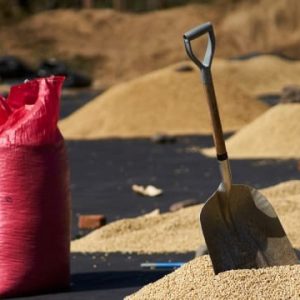
Ripe cherries are hand-picked, pulped and fermented in tanks for 12–18 hours before being washed. The coffee is then dried slowly over approximately 10–30 days in parabolic drying houses, using raised beds to promote consistent exposure to sunlight and airflow.
This measured approach to fermentation and drying reflects the association’s focus on careful processing and quality