Description


Ethiopia Guji Harosema G2 Natural
Guji • Dimtu • Harosema | Natural Process | Ethiopian Heirloom | 1,750–2,200 metres
About This Coffee
The Guji Harosema G2 Natural is a distinctive Ethiopian coffee from the highlands of Guji, sourced from cherries delivered to the Gizaw washing station in Harosema village, Dimtu. The coffee is produced from Ethiopian heirloom varieties and is brought to Australia by Utopia Coffee, with the lot showcasing the fruit-forward character and sweetness associated with carefully processed Guji naturals.
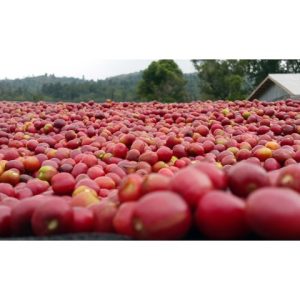
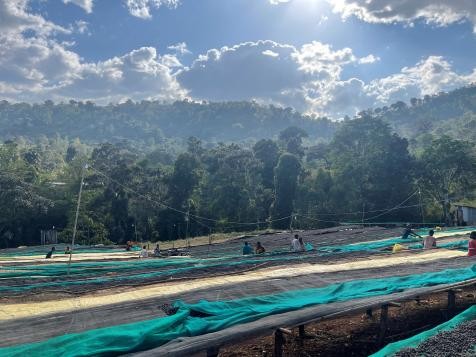
What sets this coffee apart is the precision applied to a traditional natural process. Hand-picked cherries are carefully sorted before being graded according to density. They are then dried slowly on African raised beds, with the cherries regularly turned to ensure even drying and consistency throughout the lot.
The result is an expressive natural coffee with layers of yellow stone fruit and tropical fruit, supported by a rounded sweetness and lingering caramel finish.
Origin Profile
Guji is one of Ethiopia’s most celebrated coffee-growing areas, with its high elevations and distinctive heirloom varieties producing coffees known for their aromatic complexity and fruit-driven character.
This lot comes from Harosema village in the Dimtu area of Guji, where coffee cherries from local producers are delivered to the Gizaw washing station for processing. The station is operated by Gizaw Alemayehu and his wife, Frehiwot Mekonnen, whose work is centred on careful processing and quality.
Gizaw’s connection to coffee goes back to his father, Alemayehu, who cultivated coffee on privately owned farms around Yirgacheffe before the nationalisation of private agricultural land in Ethiopia in 1974. Gizaw subsequently turned his attention from farming to coffee processing, developing the family’s coffee legacy through a more specialised approach to preparation.
Natural Processing
The cherries for Harosema G2 are hand-picked and carefully sorted before processing. At the Gizaw washing station, the cherries are separated according to density before being placed on African raised beds to dry.
Drying takes approximately 20–28 days, depending on conditions. During the process, the cherries are turned regularly to promote even drying, while the beds are shaded between approximately midday and 3 p.m. This controlled approach helps maintain consistency as the fruit slowly dries around the coffee seed.
The coffee is allowed to dry to approximately 11.5% moisture, ready for preparation and export.