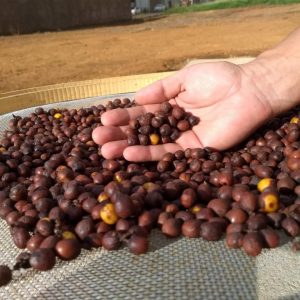
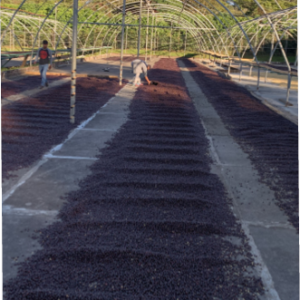
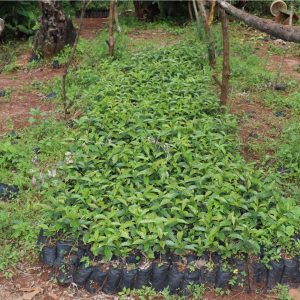
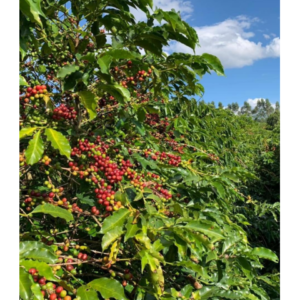
Altitude: 1,300 to 1,550 meters above sea level
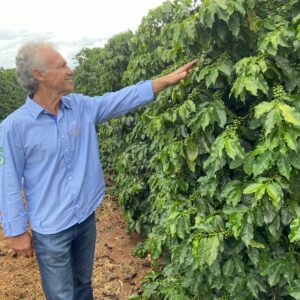
Owner: Emilio López & Jose Roberto Santamaría
Subregion/Town: Chalchuapa
Region: Santa Ana
Coffee Profile
Red fruits jammy notes stonefruit sweetness
This coffee is the product of Emilio López and Jose Roberto Santamaría’s multigenerational coffee producing families. They have a deep connection with their land and together, they joined forced to create Odyssey Coffees, an El Salvador and Portland-based coffee company. Their operations are located on 6 farms: Fincas Las Isabellas, Tapantogusto, Las Piedras, La Cumbre, El Manzano and Ayutepeque.
Finca El Manzano was founded in 1872 and has been in Emilio López’s family for generations. He planted new varieties and built an on-site wet mill in 2005.
Select options
This product has multiple variants. The options may be chosen on the product page
ALTITUDE: > 2,300 meters above sea level Red Volcanic Soil
VARIETAL:Dega and Kurume COFFEE GRADE: Gr. 1 PROCESSING: Natural
Washing Station:Harobedame
high scoring coffee:
Cup Profile
full body with notes of dark cherry – stewed berries – winey dark chocolate
This Mora Layo lot showcases the peak of high-altitude Ethiopian coffee, grown in the Choriso district of Yirgacheffe in the wider Gedeo zone and processed at the Haroberdame washing station. These coffees deliver remarkable depth and complexity, driven by elevation, terroir, and careful processing
Select options
This product has multiple variants. The options may be chosen on the product page
VARIETAL: JARC Varietals COFFEE GRADE: Gr 3 PROCESSING: Natural
Cup Profile
notes of Berry and stone fruit – a balanced and well rounded cup
Yirgacheffe Moki is a Taste of Ethiopia’s Highlands
In the misty highlands of Gedeb, on the southern edge of Yirgacheffe, smallholder farmers handpick ripe coffee cherries from gardens rooted in rich, red soil. Here, at elevations of 1,700–2,200 meters, heirloom Arabica varieties flourish under cool mountain breezes, developing a complexity found nowhere else.
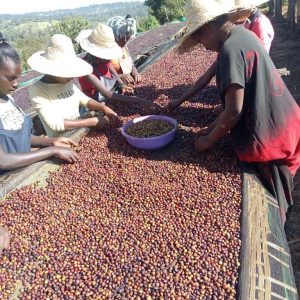
Sun-dried on raised beds in the traditional natural process, each bean carries the essence of its origin—juicy bursts of dark and red berries and at times the lingering sweetness of honey and chocolate. The result is coffees that are as bright and layered & complex as the landscapes it comes from,
Every sip of Yirgacheffe Moki is a journey through Ethiopia’s coffee heartland—crafted by generations, guided by tradition, and perfected by nature.
Select options
This product has multiple variants. The options may be chosen on the product page
Varietal – Caturra – Castillo
Region Huila
Altitude 1600-2000
Process – Fully Washed
Cup Profile
smooth well rounded cup chocolate /cocoa base toffee notes milk Chocolate, Sweet Red fruits, Chewy /heavy texture dark berry note crisp balanced acidity long sweet finish a classic from this region roast it how you like and enjoy this classic Coffee
Milk Chocolate, Sweet Red fruits, Chewy texture
Bean Grading
“Excelso” is the common grading term for exportable coffee from Colombia – it is not related to the varietal or to the cupping profile.
Colombian coffee is graded according to bean size: Supremo and Excelso beans are harvested from the same coffee trees, but they are sorted by size. Excelso coffee beans are large, but slightly smaller than Supremo coffee beans with a 15/16 screen size compared to 17/18 for Supremo Excelso accounts for the greatest volume of coffee exported from Colombia
we love this bean its clean simple and it just works on multiple roast profiles
Select options
This product has multiple variants. The options may be chosen on the product page
THIS PROJECT began in 2022 AFTER DISCOVERING 315 FARMERS IN THE
NYAMASHEKE REGION WITHOUT ACCESS TO A CO-OPERATIVE OR WASHING
STATION. THE SMALL HOLDERS began PROCESSING AND EXPORTING THE COFFEE.
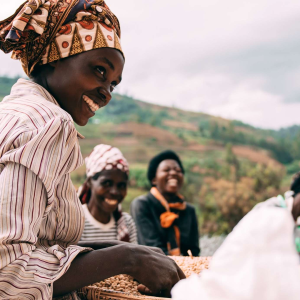
of which 70% of the – farming group is female
TERRAIN IN THE REGION IS RUGGED AND MOUNTAINOUS. HOWEVER, THE
VOLCANIC SOIL, TROPICAL RAINFALL AND HIGH ELEVATION PROVIDE
EXCEPTIONAL GROWING CONDITIONS.
THE FARMS AND WASHING STATION ARE LOCATED IN THE WESTERN PROVINCE,
THE NYAMASHEKE DISTRICT, WHICH BORDERS THE DEMOCRATIC REPUBLIC OF
CONGO AND ALSO THE NYUNGWE NATIONAL PARK.
Select options
This product has multiple variants. The options may be chosen on the product page
Honey apple strawberry / red berry notes winey and super sweet delicious complex coffee
Cachoeira Farm, nestled in Carmo do Paranaíba, is a legacy of passion and hard work led by Danilo Barbosa and his family. From humble beginnings, the Barbosa family transitioned from gas station owners to coffee farmers, planting their first coffee trees in 1980. Now spanning over 2,000 hectares, with 700 dedicated to environmental preservation, the farm reclaimed its sentimental roots when Danilo repurchased his great-grandfather’s land. In 2021, Cachoeira’s coffee won the Cup of Excellence, cementing its place in agricultural excellence.Driven by innovation and sustainability, Cachoeira Farm emphasizes quality through careful attention to terroir, altitude, and climate. Sustainable practices like tree planting and beekeeping complement advanced techniques, such as fermentation with natural yeasts and modern machinery, to enhance coffee flavor. A dedicated team, including Q-grader Deyvid Leandro, ensures every batch meets rigorous standards.Cachoeira’s vision is to redefine coffee culture, prioritizing pure, high-quality flavors over sugary additives. By exporting to markets like Australia, the farm builds global partnerships rooted in trust, delivering exceptional coffee worldwide while championing sustainability and excellence.
more info below>>>
Select options
This product has multiple variants. The options may be chosen on the product page
Select Growing Regions -Selected farms
Type: Arabica
Varietal:Various
Processing: Washed & Water decaffeination
Altitude: 1200 – 2000 MASL
Certifications: RFA (Rainforest Alliance)
European Preparation
drinking too much coffee while you are stuck working from home?
this is the ideal coffee for you – processed beautifully with pure glacier water from Pico de Orizaba Mexico’s highest mountain – you can drink freely without guilt check it out below>>>
Cup Profile
smooth sweet syrupy full chocolate body raisin good long sweet finish nice long after taste
the producer
Mountain Water Decaf
these Mountain Water Decaf processed beans come from Latin America s first decaffeination plant that opened in 1983. Situated in Cordoba, Veracruz; the operation has grown and today is recognised worldwide for its quality control, research and development and innovation.
Mountain Water isn’t just a name, the water used is melted glacial water from Pico de Orizaba [Citlalt], Mexico highest mountain.
The process is highly complex but put simply the green beans are steamed gently then immersed in water saturated with flavour compounds of coffee. As osmosis occurs, the only property that leaves the beans is caffeine. The essential flavour elements in the beans stay there, balanced by the water already containing the flavour elements. The beans are then dried, analysed and cupped for flavor quality.
Mountain Water knows their coffee, selecting grades and origins that come through the decaffeination process with good body flavor and aroma.
In June 2017, the The International Taste & Quality Institute based in Brussels with judges selected from 15 of the most prestigious European culinary and sommeliers associations awarded Mountain Water Decaf a gold star Superior rating.
Select options
This product has multiple variants. The options may be chosen on the product page
Cup Profile
Raspberry, mandarin, dark chocolate, round body outstanding high scoring coffee
Guji is a region in Southern Ethiopia – the beans are grown in a forest jungle environment at an altitude of 1,600-2,350 meters above sea level, giving the beans plenty of time to mature slowly and develop plenty of taste. The region of Guji is named after a tribe of the Oromo people who have roamed the mountains for thousands of years.
more info below:
Select options
This product has multiple variants. The options may be chosen on the product page